

EXPLORE OUR SERVICES
What We Offer
Exercise-based Rehabilitation

Exercise-based rehabilitation in osteopathy focuses on restoring movement, strength, and control following injury or pain. Osteopaths assess how the body moves, identify areas of weakness or imbalance, and prescribe tailored exercises to support recovery. The aim is to improve function, reduce the risk of recurrence, and help patients return confidently to daily activities.
Assessment of movement patterns and functional limitations
Identification of strength, mobility, and control deficits
Prescription of tailored rehabilitation exercises
Support for recovery following injury or surgery
Guidance on safe return to daily activities or exercise
Strategies to reduce re-injury risk and improve long-term function
Occupational Health

In occupational health, osteopaths help manage and prevent musculoskeletal issues related to work and daily tasks. This includes assessing posture, movement habits, and physical demands in both sedentary and physically demanding roles. Advice and care are aimed at reducing strain, improving comfort, and supporting long-term physical health at work.
Assessment of posture and work-related movement demands
Management of work-related musculoskeletal discomfort
Advice on ergonomic setup and movement habits
Support for injury prevention in physical and desk-based roles
Guidance to improve comfort and efficiency at work
Strategies to support long-term physical wellbeing in the workplace
Pain Management

Osteopaths play a role in managing both acute and persistent pain by assessing how joints, muscles, and surrounding tissues contribute to symptoms. Care commonly includes manual techniques, movement advice, and education to support self-management. The focus is on reducing pain, improving movement, and helping patients regain confidence in everyday activities.
Assessment of musculoskeletal contributors to pain
Management of acute and persistent pain conditions
Support to improve movement confidence and tolerance
Education around pain, activity, and self-management
Guidance to support daily function and quality of life
Strategies aimed at reducing flare-ups and recurrence
Children
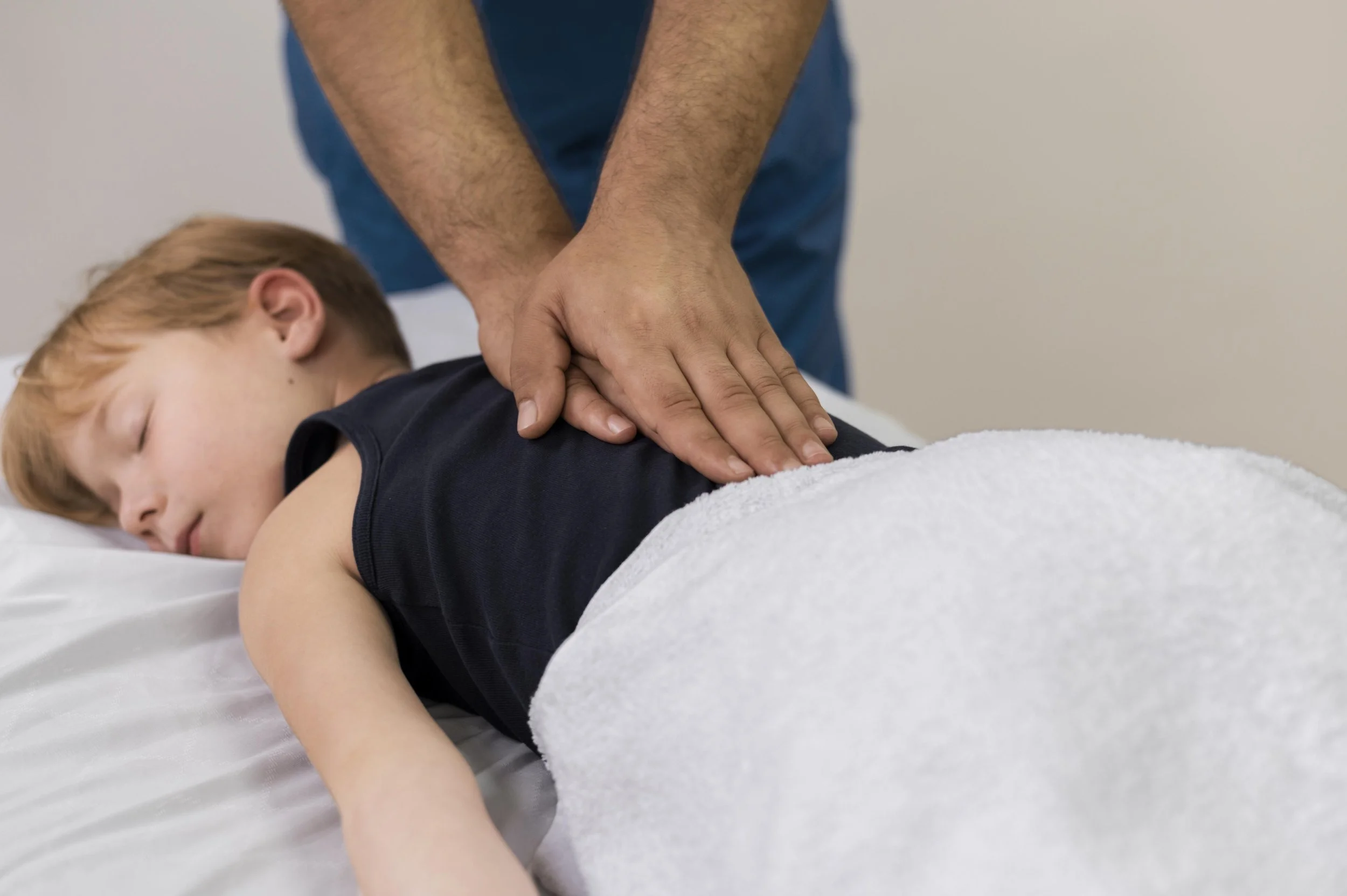
Osteopaths work with children to support healthy musculoskeletal development and address issues that may affect movement or comfort. Care is adapted to a child’s stage of growth and may include gentle assessment, guidance for parents, and advice to support posture, coordination, and physical wellbeing as children grow.
Assessment of movement and posture during growth
Support for musculoskeletal comfort and function
Guidance for parents on posture, activity, and development
Advice to support coordination and physical confidence
Care adapted to different stages of childhood growth
Focus on supporting healthy movement habits early on
Sports
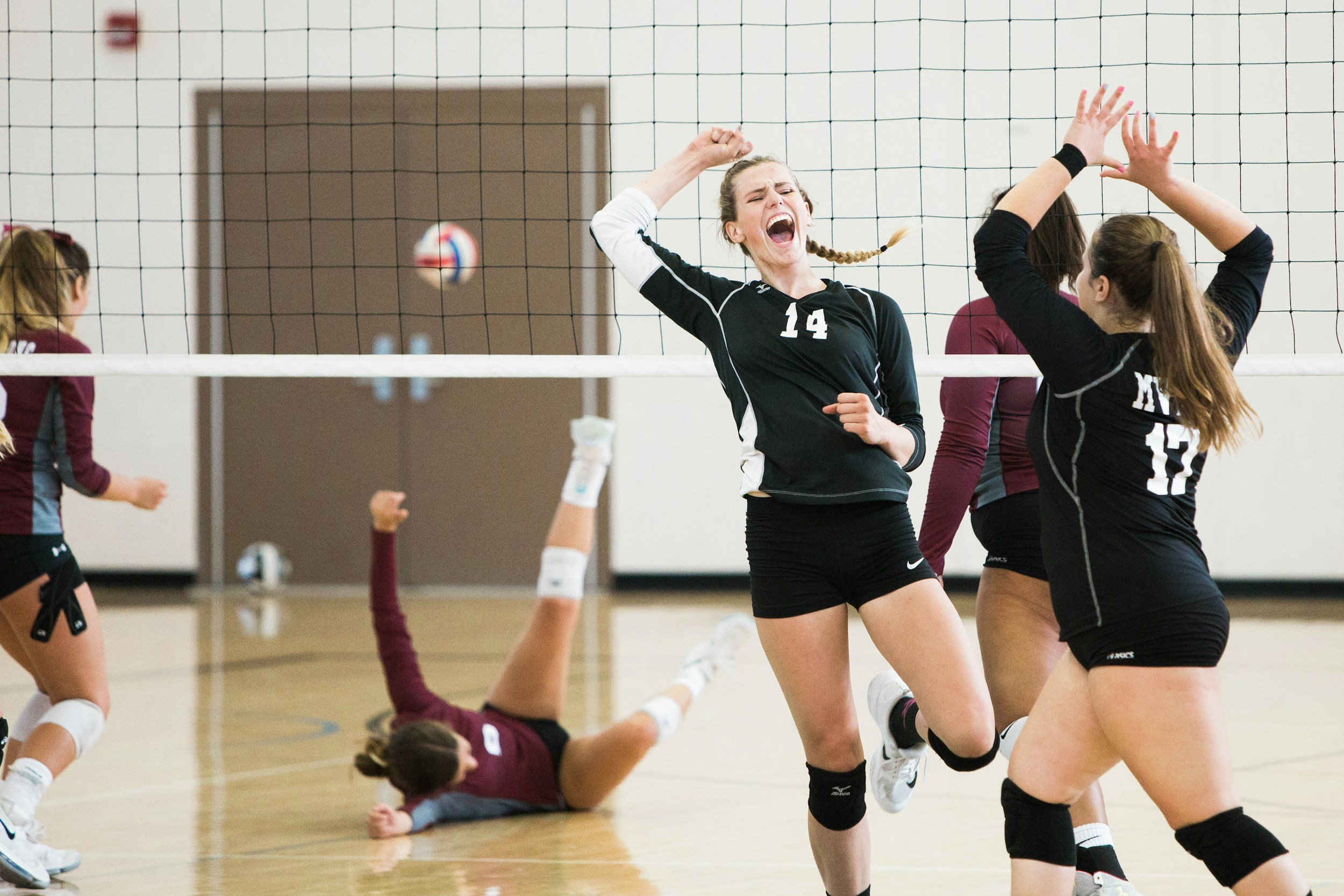
In sports care, osteopaths assist with the management of injuries and support physical performance across a range of activities. This involves assessing movement patterns, addressing areas of restriction or overload, and supporting recovery alongside training. The goal is to help individuals move efficiently, reduce injury risk, and stay active in their sport.
Assessment of sport-specific movement patterns
Management of acute and overuse injuries
Support for recovery alongside training demands
Guidance to improve movement efficiency and control
Strategies to reduce injury risk during sport
Support for maintaining performance and physical resilience