


Osteopathic care
for pain and movement
Personalised osteopathic treatment, delivered with care and attention.
Welcome!
To book an appointment with osteopath, Dr. Simon Duncan, select a location and day that is most convenient to you.
What do osteopaths do?
Osteopaths focus on your neuro-musculoskeletal system - the bones, muscles, nerves and other tissues that support your body and control its movements. They know how parts of your body should work together and the impact if they do not.
Osteopaths are trained to provide:
Musculoskeletal and nervous system assessments - they use a range of tools to identify what might be happening in the body.
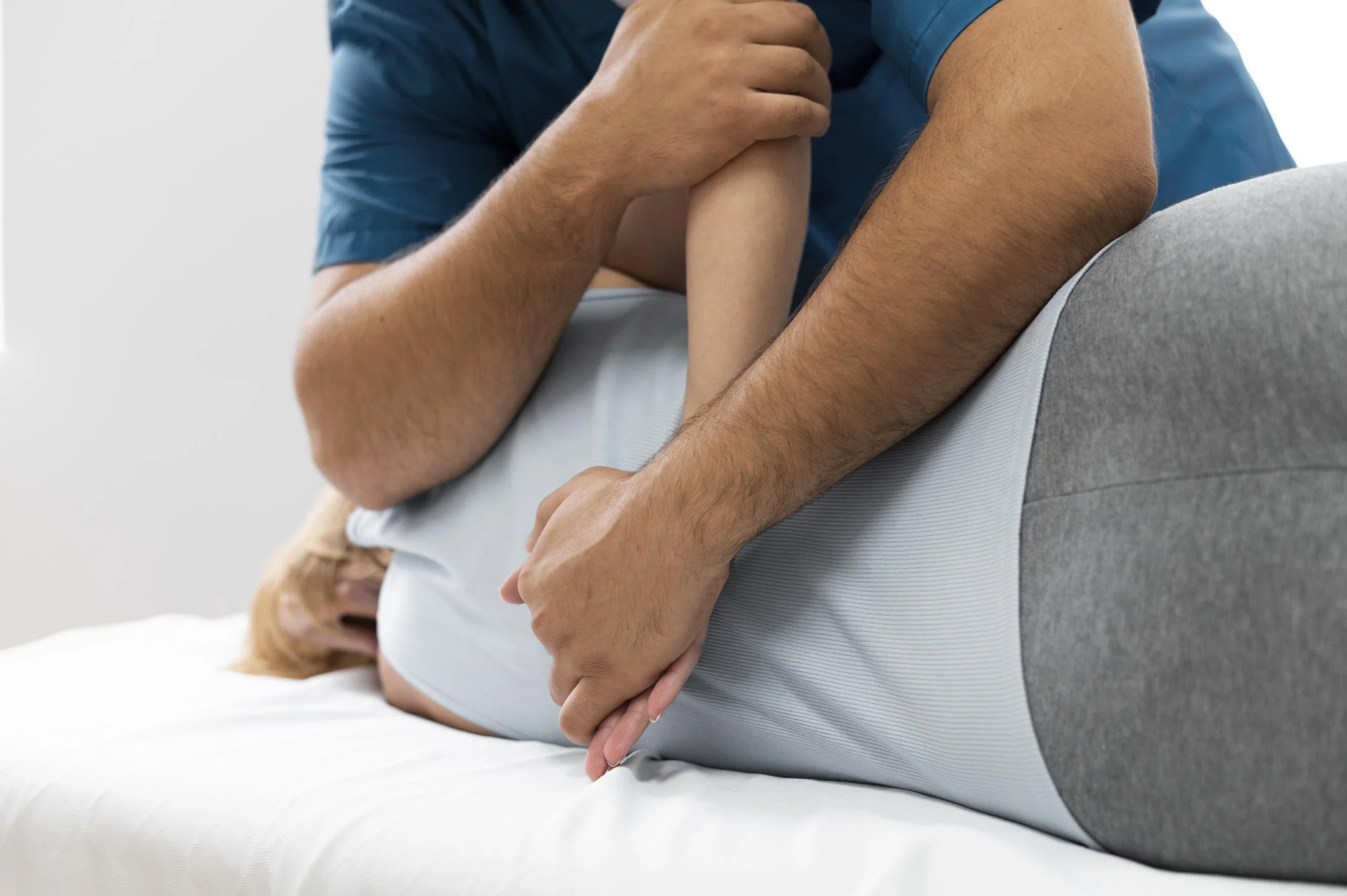
Manual therapy –includes a range of ‘hands-on’ techniques that may give relief from musculoskeletal pain, discomfort and may help tissues in the body.
Clinical exercise programs – activities and movement strategies for use at home, work or in other settings. Exercise may help you return to activities you enjoy, for example after an injury or surgery.
Movement, postural, positioning advice and ergonomic assessments.
Therapeutic needling techniques, like dry needling, trigger point therapy or acupuncture.
Advice about your lifestyle, stress management, diet or other factors that may influence your pain, injury or movement.


When might I see an osteopath?
People attend an osteopath when they experience long term (chronic) and short term (acute) problems, like the examples below:
neck or back pain
leg pain
postural issues
sciatica
weight bearing issues
balancing and walking issues
muscular sprains and strains
sports injuries
workplace injuries
hip, knee or foot pain
shoulder or elbow pain
arthritis
scoliosis
osteoporosis
tendon problems headaches and migraines

Areas Of Practise
Care covers a broad range of musculoskeletal needs, including injury rehabilitation, pain management, occupational health, children’s care, and sports-related concerns. Treatment is guided by how the body moves and adapts, with an integrated approach that supports recovery, function, and long-term physical wellbeing.
-
Osteopaths use exercise-based rehabilitation to support recovery, restore movement, and build long-term resilience. This involves assessing how the body moves, identifying weakness or imbalance, and prescribing targeted exercises to improve strength, flexibility, and control. The aim is not just to relieve symptoms, but to help the body adapt and function better over time, reducing the risk of future injury and supporting sustainable recovery.
-
In occupational health, osteopaths work with individuals to manage and prevent musculoskeletal issues related to work and daily activities. This includes assessing posture, movement patterns, and workload demands, whether in office-based roles or physically demanding jobs. Treatment and advice are tailored to support comfort, efficiency, and injury prevention, helping people stay active, productive, and well at work.
-
Osteopaths support pain management by taking a whole-person approach to both acute and persistent pain. This involves understanding how joints, muscles, nerves, and lifestyle factors contribute to discomfort. Treatment may include manual techniques, movement guidance, and self-management strategies designed to reduce pain, improve confidence in movement, and help patients regain control over their daily activities.
-
Osteopaths work with children to support healthy musculoskeletal development and address issues that may affect movement, comfort, or daily activities. Care is tailored to each stage of growth and may involve gentle assessment, advice for parents, and age-appropriate strategies to support posture, coordination, and overall wellbeing as children grow and develop.
-
In sports care, osteopaths help manage injuries, support recovery, and optimise physical performance. This includes assessing movement efficiency, identifying areas of overload or restriction, and guiding rehabilitation alongside training demands. The focus is on keeping athletes moving well, reducing injury risk, and supporting performance across both recreational and competitive sport.